From water towers to world-famous skyline decks
Every rooftop view in New York carries layers of engineering, migration, ambition, and reinvention.
Table of Contents
How New York became a vertical city
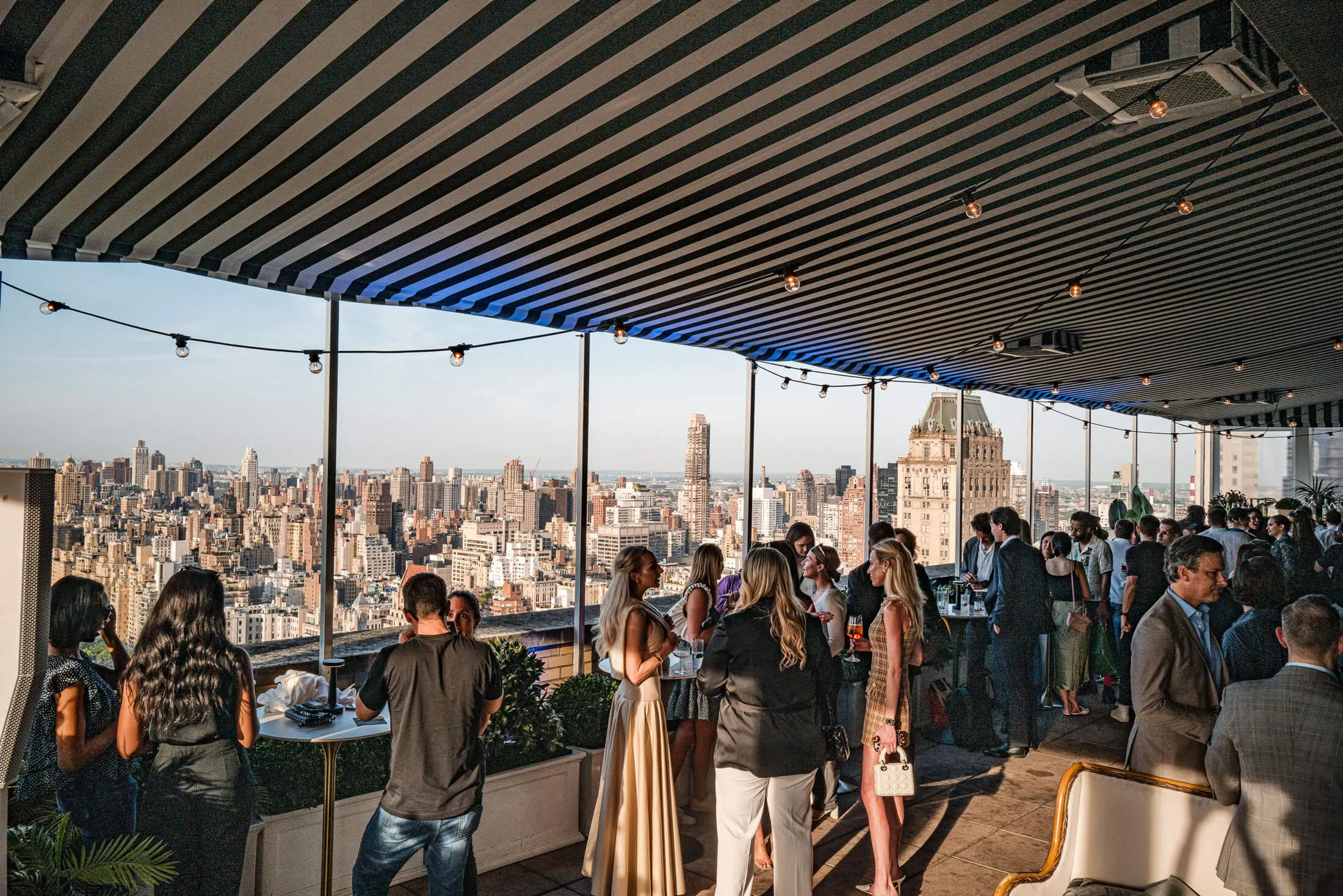
Before New York became a city of world-famous skylines, it was a crowded island learning how to grow upward because it could no longer grow outward fast enough. In the nineteenth century, immigration surged, industry expanded, and lower Manhattan became a dense experiment in ambition. Streets narrowed under the pressure of commerce, land values climbed, and builders started asking a radical question: what if the future of the city was not across the river, but above our heads?
That question transformed urban life. Steel-frame construction, safer elevators, and new engineering methods made height practical, profitable, and symbolic. New York did not simply build taller buildings; it invented a culture in which altitude became identity. Rooftops shifted from private utility spaces to social, architectural, and emotional landmarks. Today, when you stand on a deck and look across the island, you are seeing more than a panorama. You are seeing 150 years of pressure, creativity, and relentless reinvention stacked layer by layer into one of the most recognizable skylines on Earth.
Early skyline dreams and steel-frame ambition
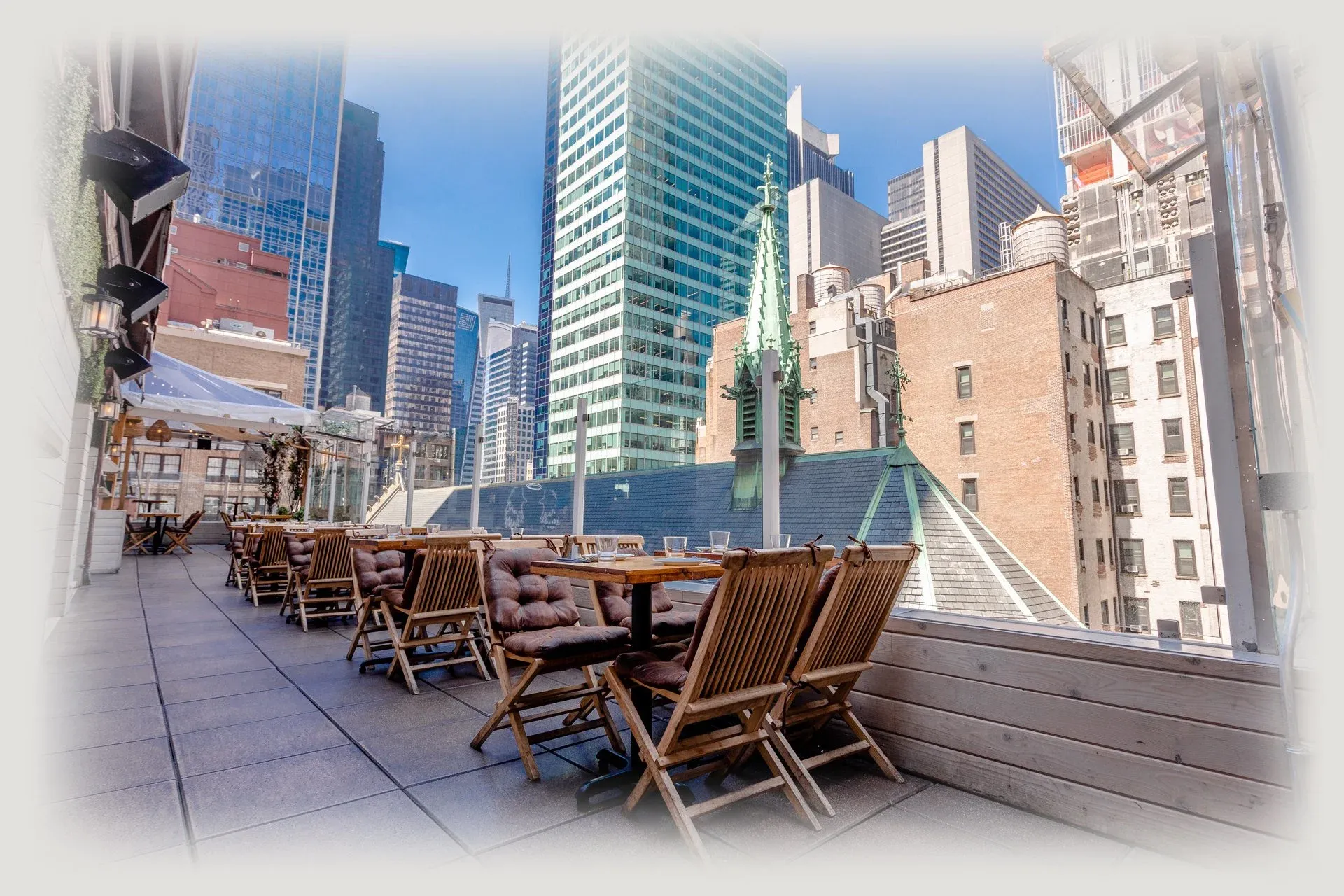
At the turn of the twentieth century, New York entered a true height race. Developers wanted prestige, companies wanted visibility, and neighborhoods wanted economic momentum. The introduction of steel skeletons changed the rules: walls no longer needed to carry all structural weight, so buildings could rise farther while windows grew larger and interiors became brighter. Elevators evolved from novelty to necessity, and offices once considered impractical above a few floors became highly desirable addresses.
These shifts were not only technical; they were psychological. The skyline became a scoreboard of civic confidence. Every new tower announced that New York was not just participating in modernity but leading it. Rooftops and upper terraces, once purely functional, slowly entered public imagination as places where people could physically witness the city's speed and scale. Even before modern observatories opened, the idea of climbing high to understand New York had already taken root.
Art deco towers and the race to the clouds
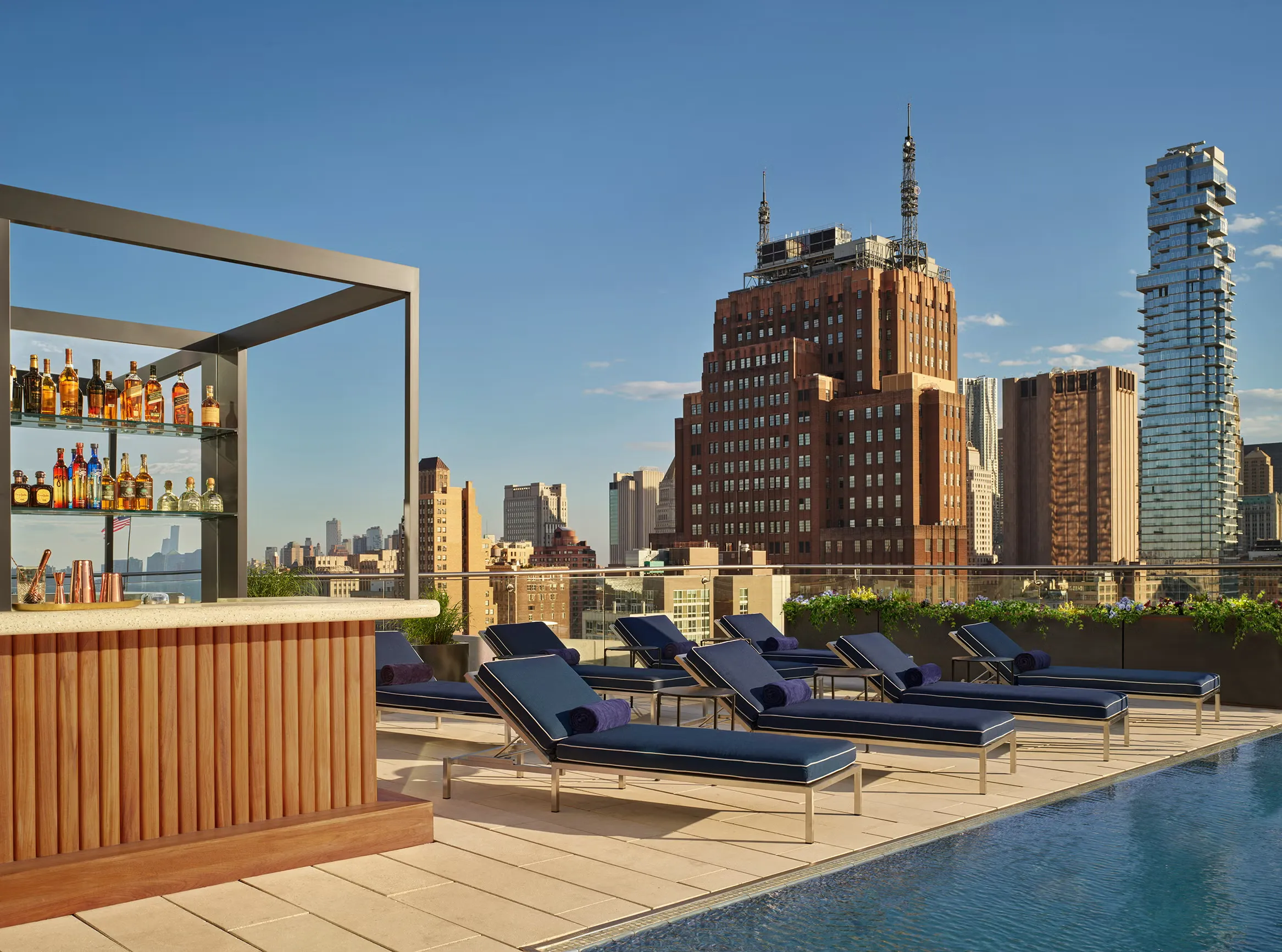
The 1920s and 1930s gave New York some of its most beloved vertical icons. Art deco towers arrived with bold silhouettes, ornamental crowns, and dramatic setbacks that turned engineering into sculpture. Buildings like the Chrysler Building and the Empire State Building were not only functional structures; they were public statements about optimism during uncertain times. Their upper sections were designed to be seen from afar, transforming rooftops into urban theater.
During this era, skyline competition reached legendary intensity, with developers pushing deadlines and design tweaks to claim height records, even if only briefly. That spirit still echoes in today's rooftop culture. When visitors photograph illuminated crowns at night or frame Midtown from an observation deck, they are participating in a visual tradition born from that era's architectural daring. New York's famous rooftop viewpoints exist because these towers were built not just to house offices, but to define a city image powerful enough to travel the world.
Rooftop life: water towers, fire escapes, and daily stories
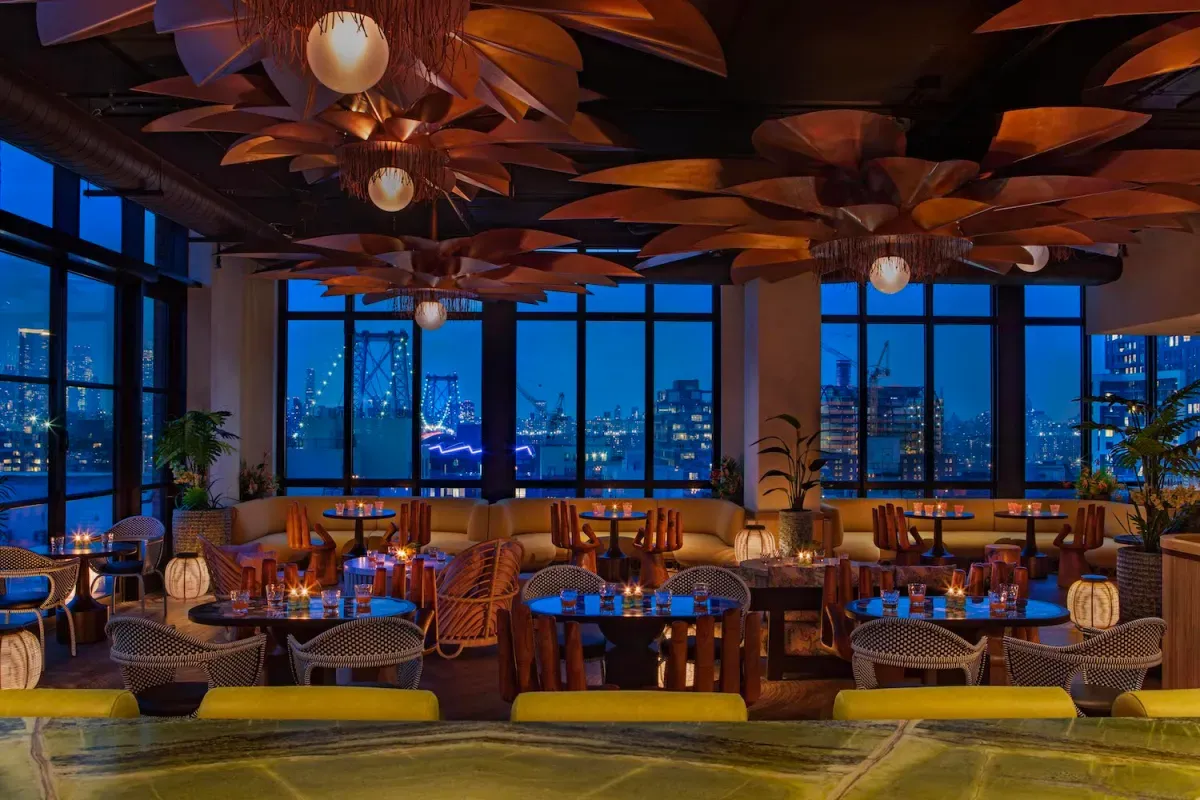
Not every New York rooftop story is glamorous, and that is exactly what makes the city fascinating from above. Beyond famous decks, rooftops carry the everyday infrastructure of urban life: iconic wooden water towers, mechanical units, utility stair exits, and layered additions from different decades. Seen from street level, these details blur into background. Seen from above, they become a visual archive of how New Yorkers adapted buildings to changing needs over time.
Rooftops also hold intimate cultural memory. Generations have used them for drying laundry, cooling off on hot summer nights, chatting with neighbors, or grabbing a quiet break from crowded apartments. In many neighborhoods, the rooftop has functioned as an informal extra room in the sky. This everyday rooftop culture, humble and practical, sits alongside luxury terraces and world-famous observatories, reminding visitors that New York's skyline is as much about lived routine as it is about postcard spectacle.
Observation decks as public city stages
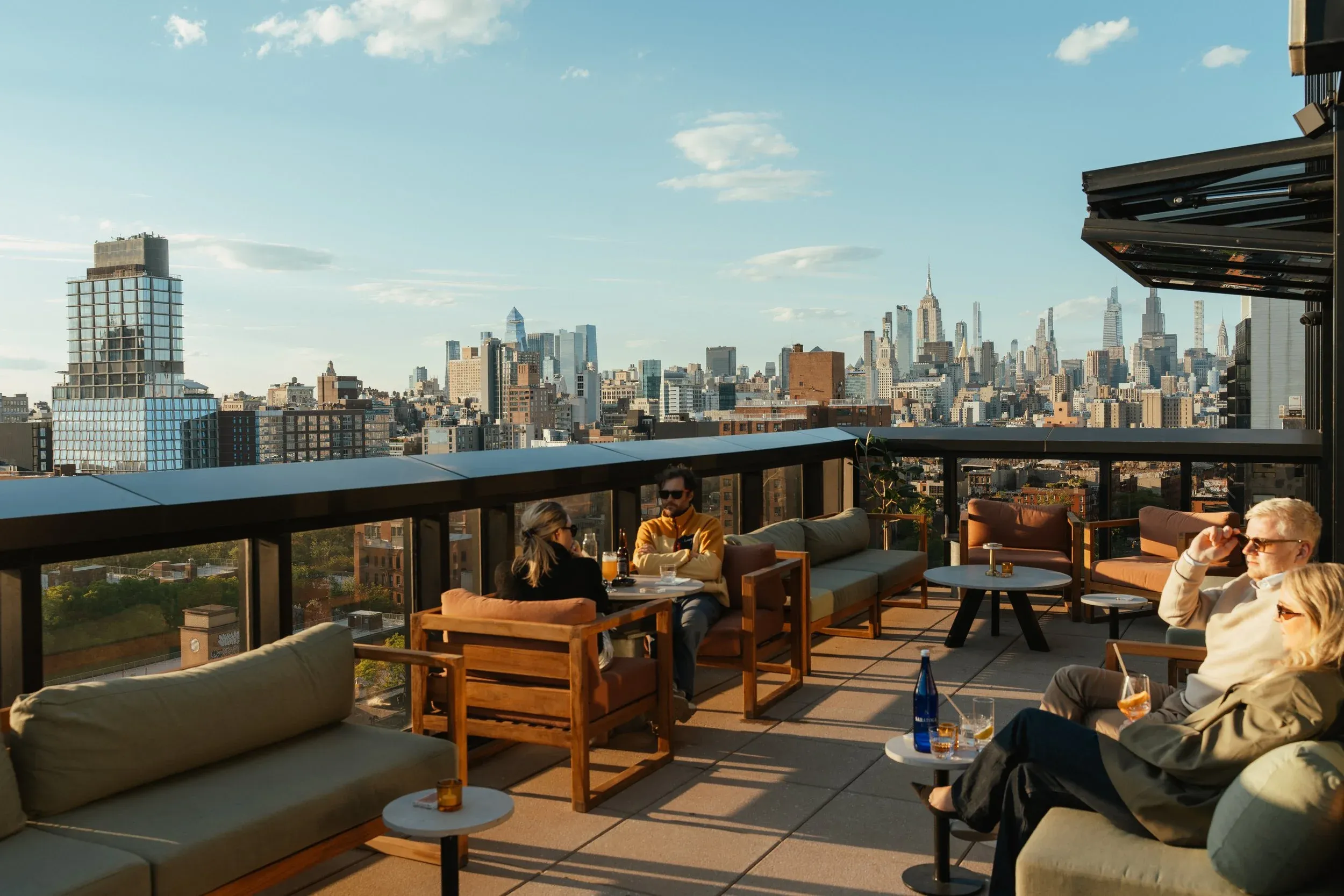
Observation decks turned height into a shared public experience. Instead of seeing skyline access as a privilege for office tenants only, New York began opening carefully designed viewing spaces where anyone could witness the city from extraordinary vantage points. Decks became places for first-time visitors, architecture lovers, photographers, families, and lifelong residents celebrating milestones. The city below stayed the same, but the perspective changed everything.
Modern decks build on this tradition with immersive design: glass floors, angled platforms, interactive exhibits, and historical storytelling that frames what you see. The result is more than a quick photo stop. It is a civic balcony where the geography of New York suddenly makes emotional sense: avenues like rivers of light, parks as relief valves, bridges as connective tissue, and neighborhoods as distinct personalities in one dense urban organism.
Midtown as the postcard skyline
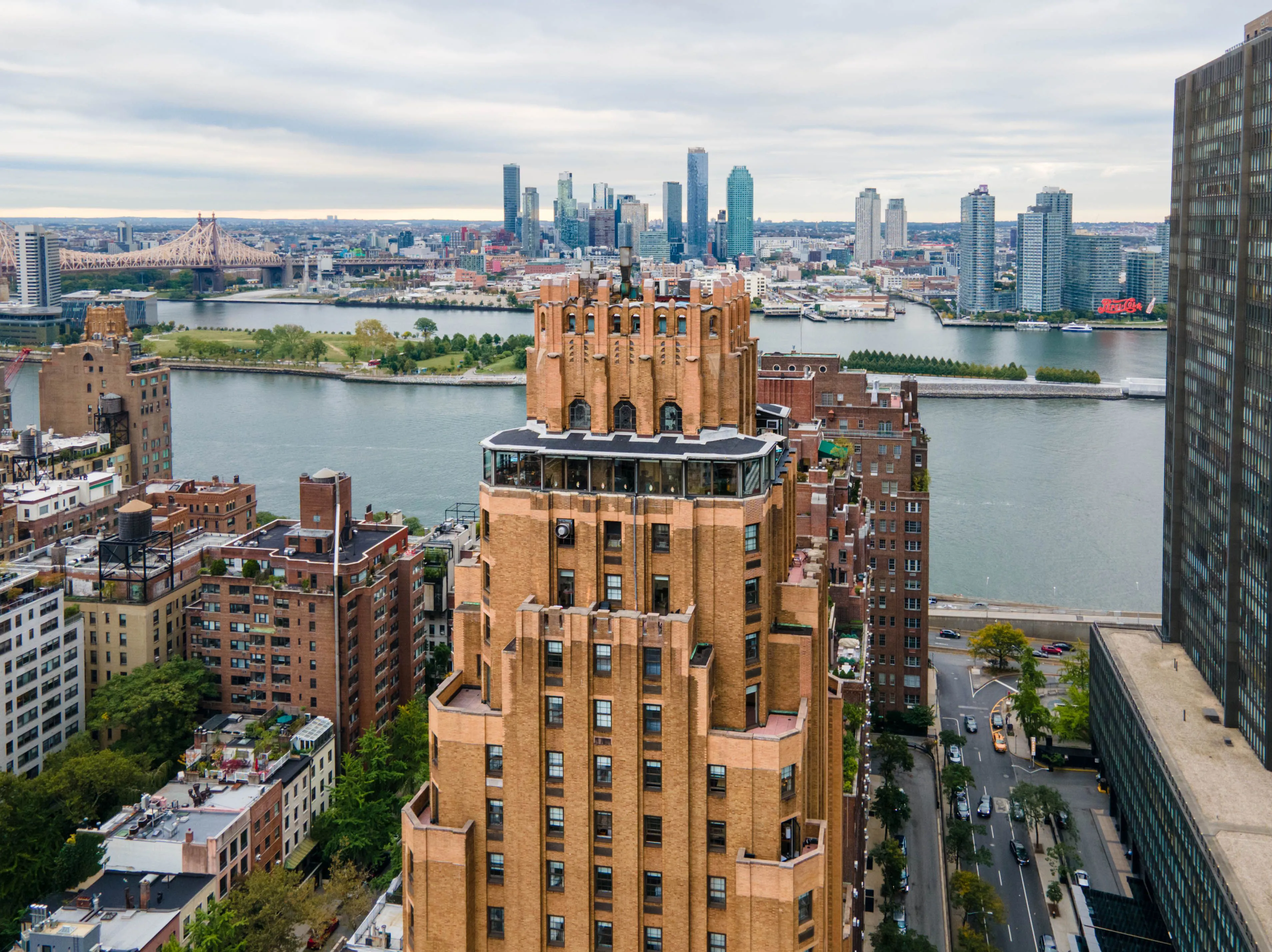
For many travelers, Midtown is the definitive New York skyline chapter. This is where art deco classics stand beside reflective supertalls, where Broadway energy and corporate intensity overlap, and where rooftop viewpoints reveal both the northward pull of Central Park and the downtown taper toward the harbor. From above, the grid feels almost mathematical, yet the light, traffic, and architecture make every block visually unpredictable.
Midtown rooftops are especially powerful at transitional times of day. In the morning, facades look crisp and geometric. At golden hour, glass towers soften into warm tones while long shadows trace the grid. At night, the district becomes electric: windows pulse, signs glow, and the skyline turns into a layered map of activity. It is no surprise Midtown remains the emotional center of many rooftop itineraries.
Downtown rebirth and harbor perspectives
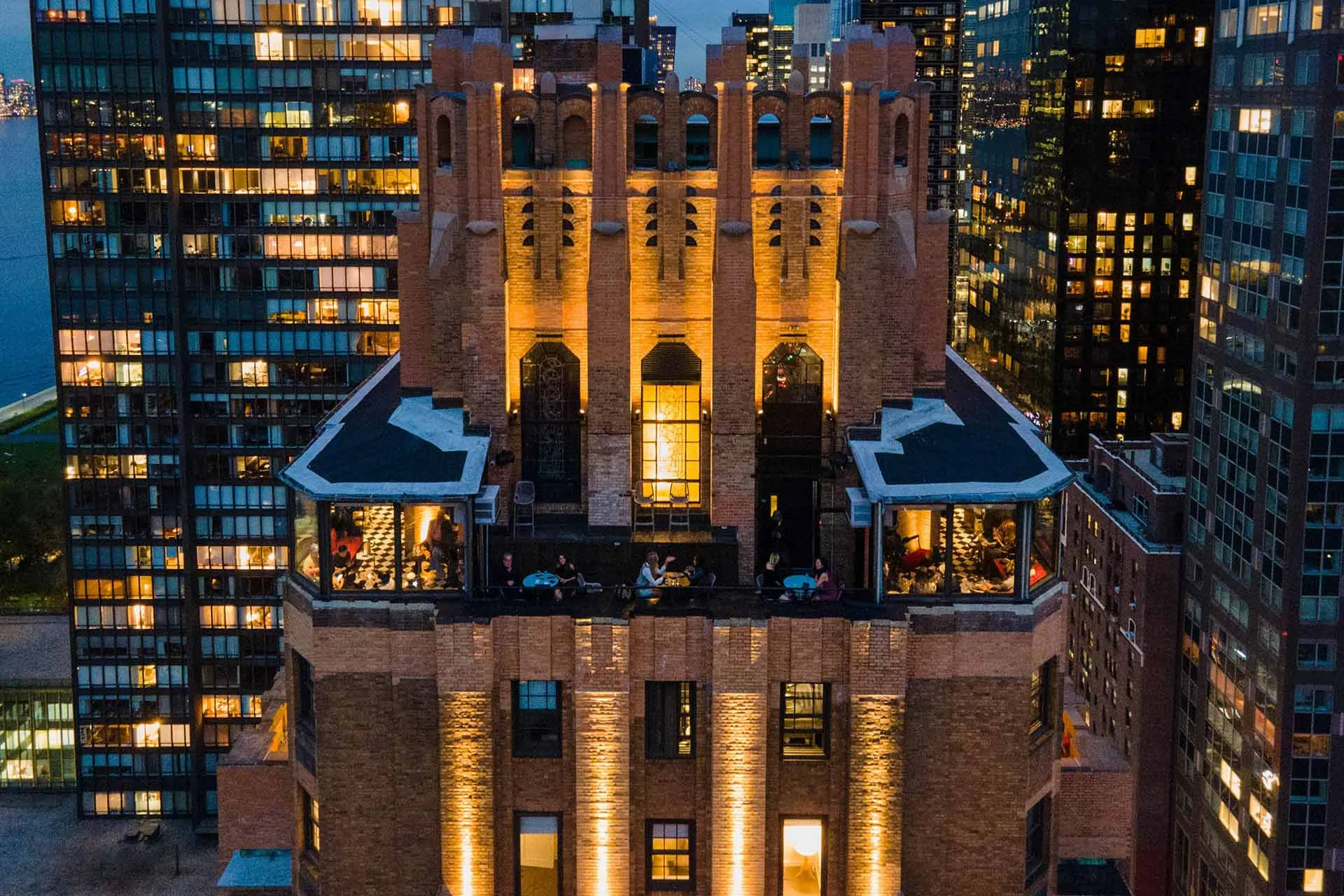
Downtown offers a different rooftop language: tighter street patterns, older foundations, civic landmarks, and a closer relationship with water. Here, the skyline feels anchored by memory and movement at once. You can trace shipping history, financial power, migration routes, and modern redevelopment in a single panoramic sweep. The harbor, ferries, and bridge approaches add breathing space that contrasts with Midtown density.
In recent decades, Lower Manhattan has undergone major transformation, blending memorial spaces, cultural venues, modern transit, and new towers into a renewed urban core. Rooftop views in this area carry emotional weight because they combine resilience with reinvention. Looking outward from Downtown, the city feels connected to the broader region: New Jersey cliffs, Brooklyn waterfronts, and Atlantic-bound channels all become part of the same skyline narrative.
The modern era of supertall viewpoints
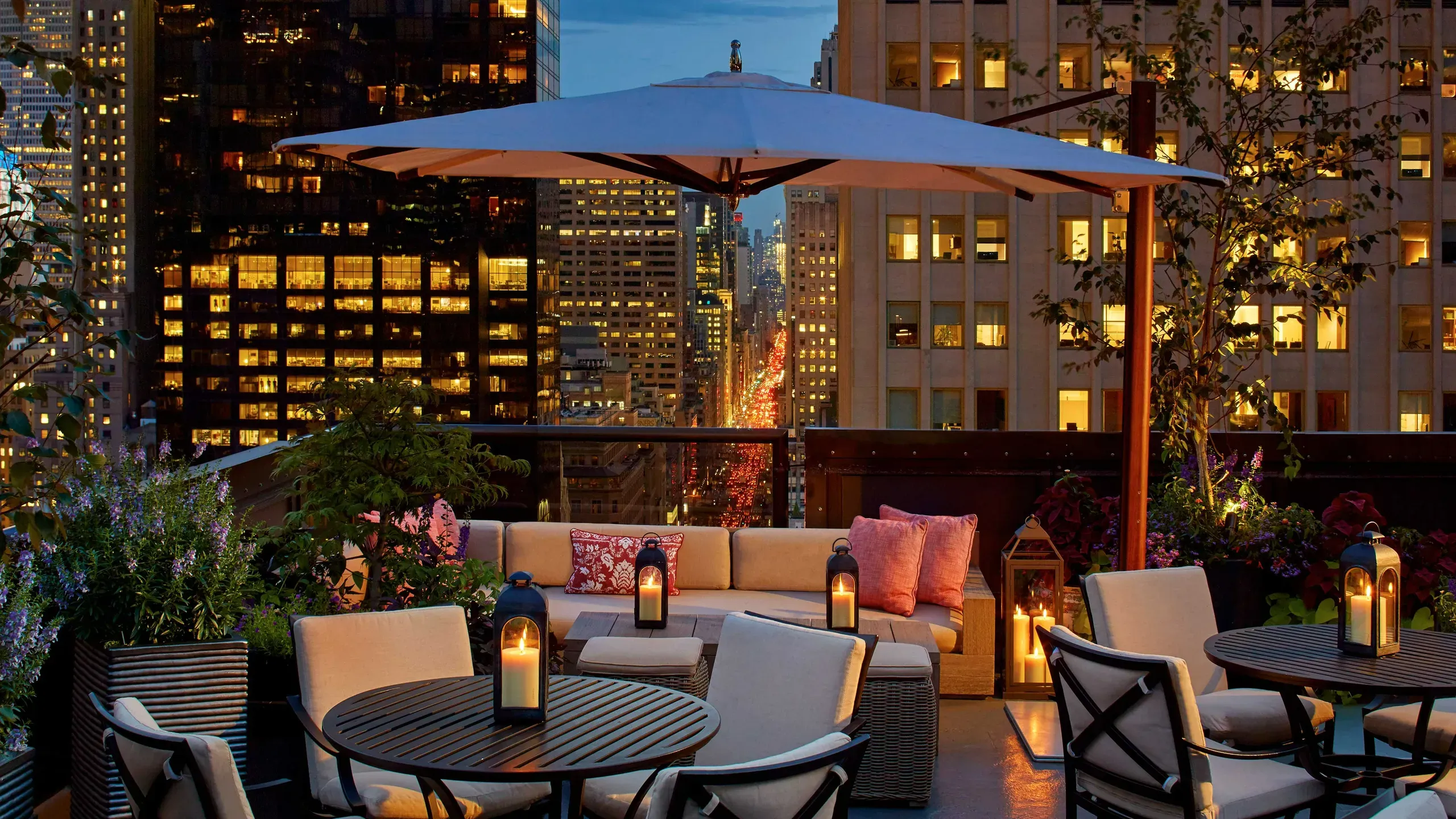
The latest generation of New York viewpoints pushes design into experiential territory. Platforms project outward, glass edges frame vertigo-inducing perspectives, and interiors blend digital art with skyline framing to make each visit feel distinct. Supertall architecture is no longer just about height records; it is about curating how people feel when they encounter the city from altitude.
These newer decks also reflect changing expectations around comfort and access. Visitors now want smoother entry flows, timed reservations, climate-controlled transitions, and spaces that work for photography, reflection, and social sharing. Even with this innovation, the core appeal remains timeless: for a few minutes, you step out of street-level noise and see New York as a coherent whole, dazzling and understandable at once.
Rooftop bars and New York nightlife culture

New York rooftop culture is not limited to observatories. Rooftop bars, lounges, and hotel terraces have become social landmarks where skyline viewing blends with music, conversation, and city-night atmosphere. Some venues lean elegant and quiet, others vibrant and high-energy, but all share one defining trait: they let the skyline become part of the evening rather than just a backdrop.
Historically, this culture draws from multiple city traditions: jazz-era nightlife, postwar hotel glamour, downtown creative scenes, and modern hospitality design. Today, rooftop evenings often unfold in chapters: sunset photos, dinner or cocktails, then long skyline conversations as neighborhoods below shift into late-night rhythm. For many travelers, this is where New York feels most cinematic and most personal at the same time.
Photography, cinema, and skyline mythology
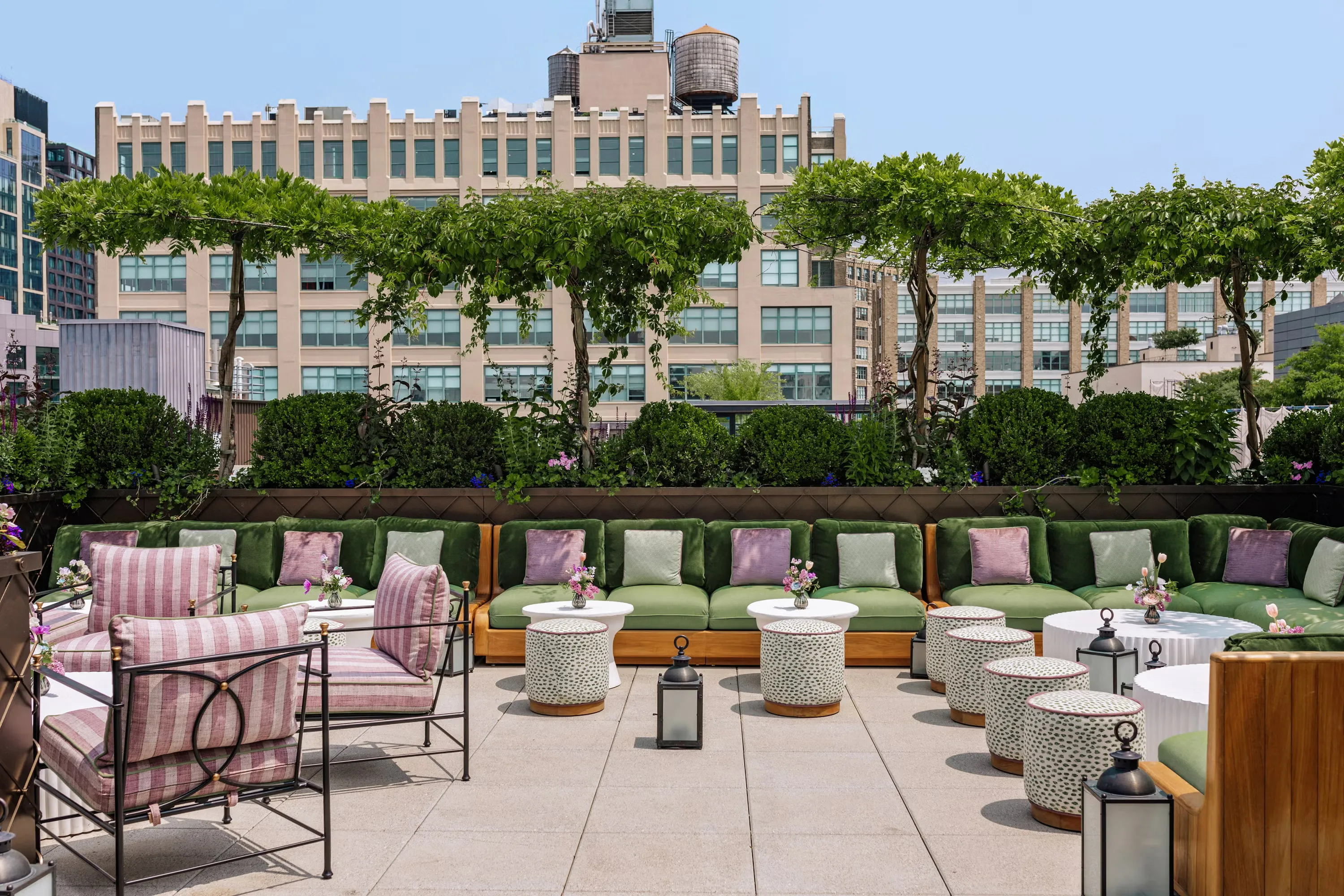
Few cities have been photographed and filmed from rooftops as often as New York. From black-and-white classics to modern streaming series, rooftop scenes helped build the global mythology of the city: ambition, romance, solitude, reinvention, and possibility. A single skyline frame can communicate scale and emotion faster than any dialogue, which is why directors and photographers return to these views again and again.
For visitors, this visual legacy changes how rooftop moments feel. You are not only seeing a city; you are stepping into an image language you already know from movies, magazine covers, and cultural memory. That familiarity creates an instant emotional bridge. Even first-time visitors often feel they have met this skyline before, then discover that the real experience is bigger, louder, and more textured than any screen version.
Design, safety, and accessibility from above
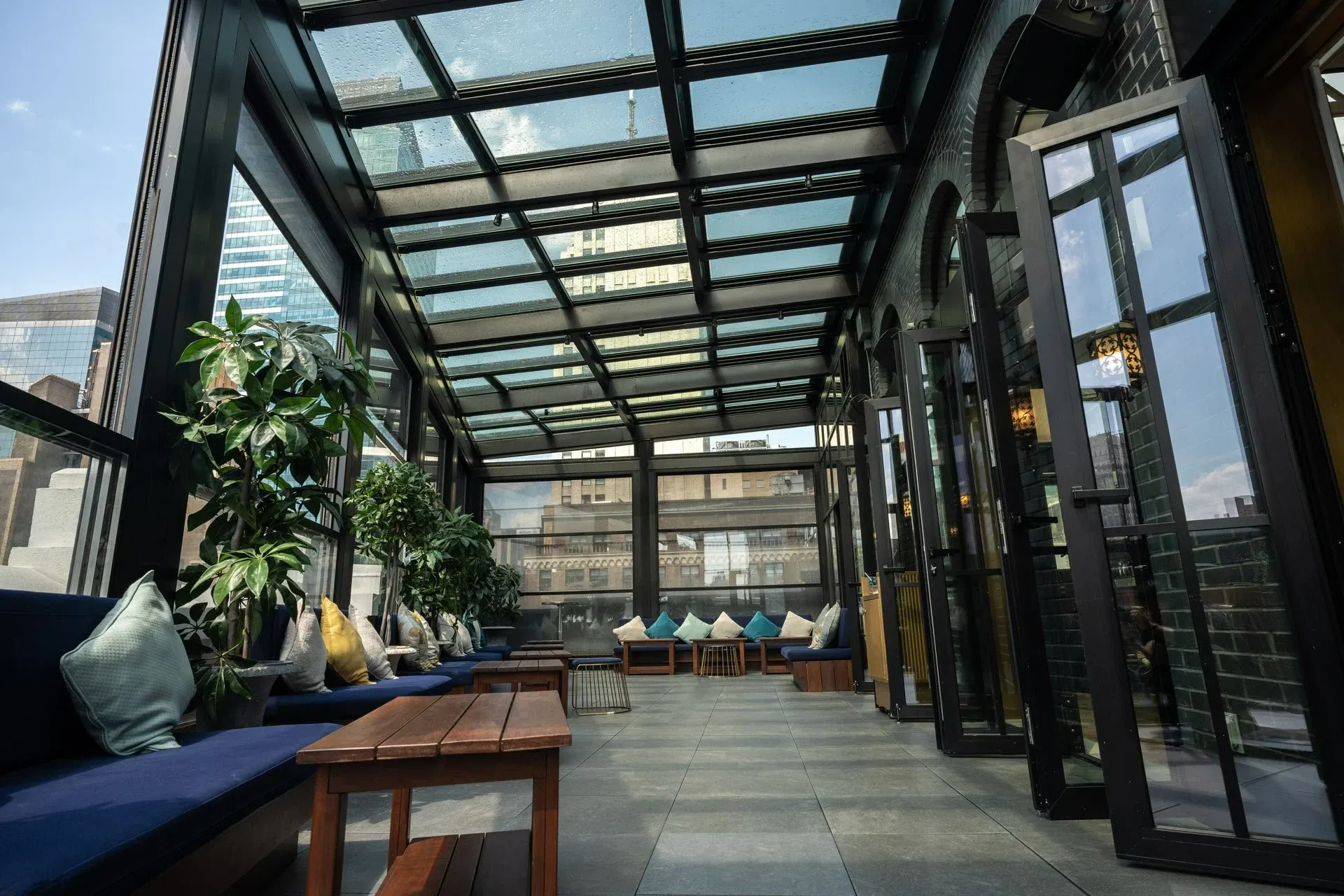
As rooftop tourism has grown, design priorities have matured. The best venues balance dramatic openness with thoughtful safety systems, including barrier engineering, controlled circulation, and weather-responsive operations. Behind the scenes, teams continuously monitor wind conditions, visibility, elevator reliability, and crowd flow so visitors can enjoy elevated spaces with confidence.
Accessibility has also become central to modern rooftop planning. Elevators, step-free routes, adapted facilities, and trained staff improve the experience for a wider range of travelers. Not every venue offers identical features, but overall standards continue to improve. For visitors, this means rooftop New York is increasingly inclusive, allowing more people to participate in one of the city's most iconic experiences.
Planning your own rooftop narrative
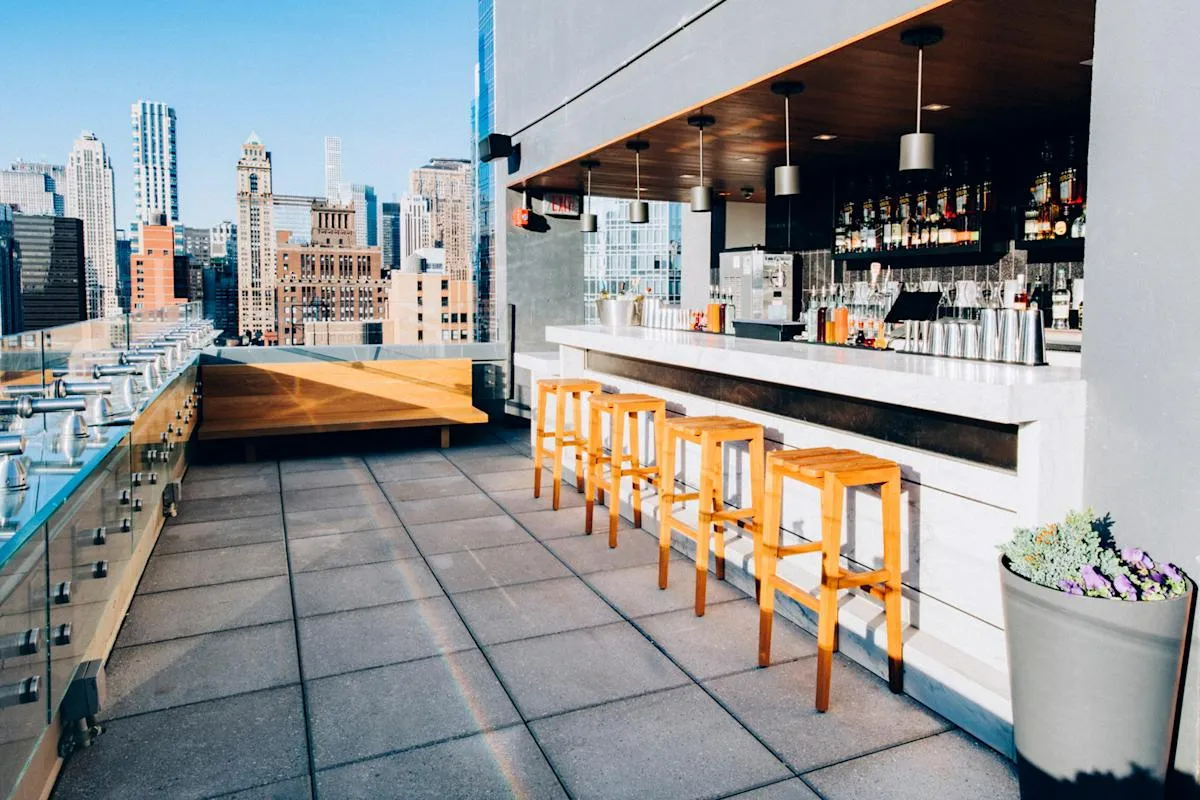
A memorable rooftop day is less about quantity and more about sequence. Start by choosing the feeling you want: classic icons, modern thrill, romantic sunset, or photography-focused exploration. Then map your stops by neighborhood and light conditions. A smart plan usually pairs one daytime deck for clarity with one evening deck for atmosphere, leaving space in between for food, neighborhood wandering, and rest.
Think of your itinerary as a story arc. Morning gives orientation, afternoon adds detail, sunset delivers emotion, and night provides drama. If weather shifts, pivot rather than panic: New York rewards flexible travelers. A rooftop plan that feels spacious, realistic, and slightly adventurous almost always outperforms an overpacked schedule.
Why rooftop New York feels unforgettable
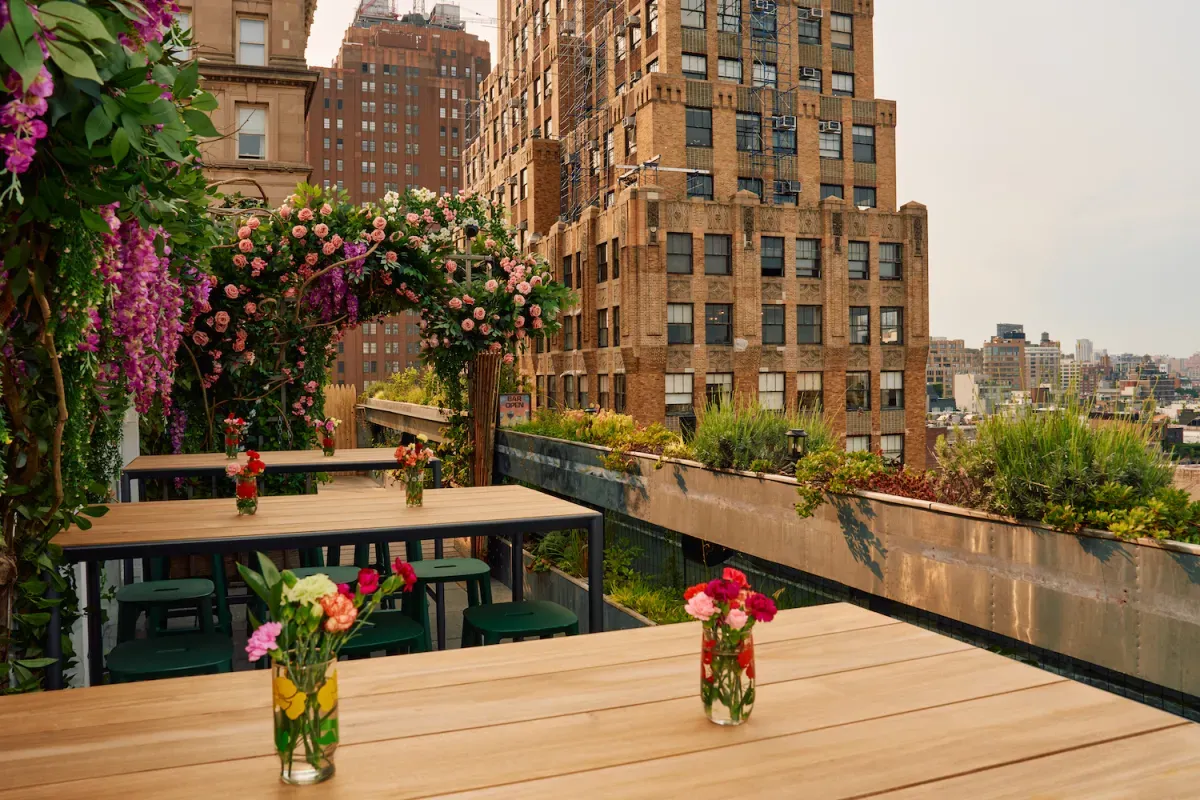
On paper, a rooftop visit sounds simple: ride an elevator, look out, take photos. In reality, the experience taps into something deeper. From above, the city stops feeling like separate attractions and starts feeling like one connected organism, pulsing with movement, memory, and possibility. Distances that seemed abstract at street level suddenly become legible and alive.
That is why rooftop moments stay with people long after the trip ends. They capture New York in transition: sunlight to twilight, workday to nightlife, individual neighborhoods to one unified skyline. You leave with more than great photos. You leave with orientation, perspective, and the quiet thrill of having seen one of the world's great cities from the angle that explains it best.
Table of Contents
How New York became a vertical city
Before New York became a city of world-famous skylines, it was a crowded island learning how to grow upward because it could no longer grow outward fast enough. In the nineteenth century, immigration surged, industry expanded, and lower Manhattan became a dense experiment in ambition. Streets narrowed under the pressure of commerce, land values climbed, and builders started asking a radical question: what if the future of the city was not across the river, but above our heads?
That question transformed urban life. Steel-frame construction, safer elevators, and new engineering methods made height practical, profitable, and symbolic. New York did not simply build taller buildings; it invented a culture in which altitude became identity. Rooftops shifted from private utility spaces to social, architectural, and emotional landmarks. Today, when you stand on a deck and look across the island, you are seeing more than a panorama. You are seeing 150 years of pressure, creativity, and relentless reinvention stacked layer by layer into one of the most recognizable skylines on Earth.
Early skyline dreams and steel-frame ambition
At the turn of the twentieth century, New York entered a true height race. Developers wanted prestige, companies wanted visibility, and neighborhoods wanted economic momentum. The introduction of steel skeletons changed the rules: walls no longer needed to carry all structural weight, so buildings could rise farther while windows grew larger and interiors became brighter. Elevators evolved from novelty to necessity, and offices once considered impractical above a few floors became highly desirable addresses.
These shifts were not only technical; they were psychological. The skyline became a scoreboard of civic confidence. Every new tower announced that New York was not just participating in modernity but leading it. Rooftops and upper terraces, once purely functional, slowly entered public imagination as places where people could physically witness the city's speed and scale. Even before modern observatories opened, the idea of climbing high to understand New York had already taken root.
Art deco towers and the race to the clouds
The 1920s and 1930s gave New York some of its most beloved vertical icons. Art deco towers arrived with bold silhouettes, ornamental crowns, and dramatic setbacks that turned engineering into sculpture. Buildings like the Chrysler Building and the Empire State Building were not only functional structures; they were public statements about optimism during uncertain times. Their upper sections were designed to be seen from afar, transforming rooftops into urban theater.
During this era, skyline competition reached legendary intensity, with developers pushing deadlines and design tweaks to claim height records, even if only briefly. That spirit still echoes in today's rooftop culture. When visitors photograph illuminated crowns at night or frame Midtown from an observation deck, they are participating in a visual tradition born from that era's architectural daring. New York's famous rooftop viewpoints exist because these towers were built not just to house offices, but to define a city image powerful enough to travel the world.
Rooftop life: water towers, fire escapes, and daily stories
Not every New York rooftop story is glamorous, and that is exactly what makes the city fascinating from above. Beyond famous decks, rooftops carry the everyday infrastructure of urban life: iconic wooden water towers, mechanical units, utility stair exits, and layered additions from different decades. Seen from street level, these details blur into background. Seen from above, they become a visual archive of how New Yorkers adapted buildings to changing needs over time.
Rooftops also hold intimate cultural memory. Generations have used them for drying laundry, cooling off on hot summer nights, chatting with neighbors, or grabbing a quiet break from crowded apartments. In many neighborhoods, the rooftop has functioned as an informal extra room in the sky. This everyday rooftop culture, humble and practical, sits alongside luxury terraces and world-famous observatories, reminding visitors that New York's skyline is as much about lived routine as it is about postcard spectacle.
Observation decks as public city stages
Observation decks turned height into a shared public experience. Instead of seeing skyline access as a privilege for office tenants only, New York began opening carefully designed viewing spaces where anyone could witness the city from extraordinary vantage points. Decks became places for first-time visitors, architecture lovers, photographers, families, and lifelong residents celebrating milestones. The city below stayed the same, but the perspective changed everything.
Modern decks build on this tradition with immersive design: glass floors, angled platforms, interactive exhibits, and historical storytelling that frames what you see. The result is more than a quick photo stop. It is a civic balcony where the geography of New York suddenly makes emotional sense: avenues like rivers of light, parks as relief valves, bridges as connective tissue, and neighborhoods as distinct personalities in one dense urban organism.
Midtown as the postcard skyline
For many travelers, Midtown is the definitive New York skyline chapter. This is where art deco classics stand beside reflective supertalls, where Broadway energy and corporate intensity overlap, and where rooftop viewpoints reveal both the northward pull of Central Park and the downtown taper toward the harbor. From above, the grid feels almost mathematical, yet the light, traffic, and architecture make every block visually unpredictable.
Midtown rooftops are especially powerful at transitional times of day. In the morning, facades look crisp and geometric. At golden hour, glass towers soften into warm tones while long shadows trace the grid. At night, the district becomes electric: windows pulse, signs glow, and the skyline turns into a layered map of activity. It is no surprise Midtown remains the emotional center of many rooftop itineraries.
Downtown rebirth and harbor perspectives
Downtown offers a different rooftop language: tighter street patterns, older foundations, civic landmarks, and a closer relationship with water. Here, the skyline feels anchored by memory and movement at once. You can trace shipping history, financial power, migration routes, and modern redevelopment in a single panoramic sweep. The harbor, ferries, and bridge approaches add breathing space that contrasts with Midtown density.
In recent decades, Lower Manhattan has undergone major transformation, blending memorial spaces, cultural venues, modern transit, and new towers into a renewed urban core. Rooftop views in this area carry emotional weight because they combine resilience with reinvention. Looking outward from Downtown, the city feels connected to the broader region: New Jersey cliffs, Brooklyn waterfronts, and Atlantic-bound channels all become part of the same skyline narrative.
The modern era of supertall viewpoints
The latest generation of New York viewpoints pushes design into experiential territory. Platforms project outward, glass edges frame vertigo-inducing perspectives, and interiors blend digital art with skyline framing to make each visit feel distinct. Supertall architecture is no longer just about height records; it is about curating how people feel when they encounter the city from altitude.
These newer decks also reflect changing expectations around comfort and access. Visitors now want smoother entry flows, timed reservations, climate-controlled transitions, and spaces that work for photography, reflection, and social sharing. Even with this innovation, the core appeal remains timeless: for a few minutes, you step out of street-level noise and see New York as a coherent whole, dazzling and understandable at once.
Rooftop bars and New York nightlife culture
New York rooftop culture is not limited to observatories. Rooftop bars, lounges, and hotel terraces have become social landmarks where skyline viewing blends with music, conversation, and city-night atmosphere. Some venues lean elegant and quiet, others vibrant and high-energy, but all share one defining trait: they let the skyline become part of the evening rather than just a backdrop.
Historically, this culture draws from multiple city traditions: jazz-era nightlife, postwar hotel glamour, downtown creative scenes, and modern hospitality design. Today, rooftop evenings often unfold in chapters: sunset photos, dinner or cocktails, then long skyline conversations as neighborhoods below shift into late-night rhythm. For many travelers, this is where New York feels most cinematic and most personal at the same time.
Photography, cinema, and skyline mythology
Few cities have been photographed and filmed from rooftops as often as New York. From black-and-white classics to modern streaming series, rooftop scenes helped build the global mythology of the city: ambition, romance, solitude, reinvention, and possibility. A single skyline frame can communicate scale and emotion faster than any dialogue, which is why directors and photographers return to these views again and again.
For visitors, this visual legacy changes how rooftop moments feel. You are not only seeing a city; you are stepping into an image language you already know from movies, magazine covers, and cultural memory. That familiarity creates an instant emotional bridge. Even first-time visitors often feel they have met this skyline before, then discover that the real experience is bigger, louder, and more textured than any screen version.
Design, safety, and accessibility from above
As rooftop tourism has grown, design priorities have matured. The best venues balance dramatic openness with thoughtful safety systems, including barrier engineering, controlled circulation, and weather-responsive operations. Behind the scenes, teams continuously monitor wind conditions, visibility, elevator reliability, and crowd flow so visitors can enjoy elevated spaces with confidence.
Accessibility has also become central to modern rooftop planning. Elevators, step-free routes, adapted facilities, and trained staff improve the experience for a wider range of travelers. Not every venue offers identical features, but overall standards continue to improve. For visitors, this means rooftop New York is increasingly inclusive, allowing more people to participate in one of the city's most iconic experiences.
Planning your own rooftop narrative
A memorable rooftop day is less about quantity and more about sequence. Start by choosing the feeling you want: classic icons, modern thrill, romantic sunset, or photography-focused exploration. Then map your stops by neighborhood and light conditions. A smart plan usually pairs one daytime deck for clarity with one evening deck for atmosphere, leaving space in between for food, neighborhood wandering, and rest.
Think of your itinerary as a story arc. Morning gives orientation, afternoon adds detail, sunset delivers emotion, and night provides drama. If weather shifts, pivot rather than panic: New York rewards flexible travelers. A rooftop plan that feels spacious, realistic, and slightly adventurous almost always outperforms an overpacked schedule.
Why rooftop New York feels unforgettable
On paper, a rooftop visit sounds simple: ride an elevator, look out, take photos. In reality, the experience taps into something deeper. From above, the city stops feeling like separate attractions and starts feeling like one connected organism, pulsing with movement, memory, and possibility. Distances that seemed abstract at street level suddenly become legible and alive.
That is why rooftop moments stay with people long after the trip ends. They capture New York in transition: sunlight to twilight, workday to nightlife, individual neighborhoods to one unified skyline. You leave with more than great photos. You leave with orientation, perspective, and the quiet thrill of having seen one of the world's great cities from the angle that explains it best.